Heel Pain That Won't Go Away: What You're Probably Missing
When heel pain outlasts months of trying, one of four things is usually going on. None of them is 'just live with it.'
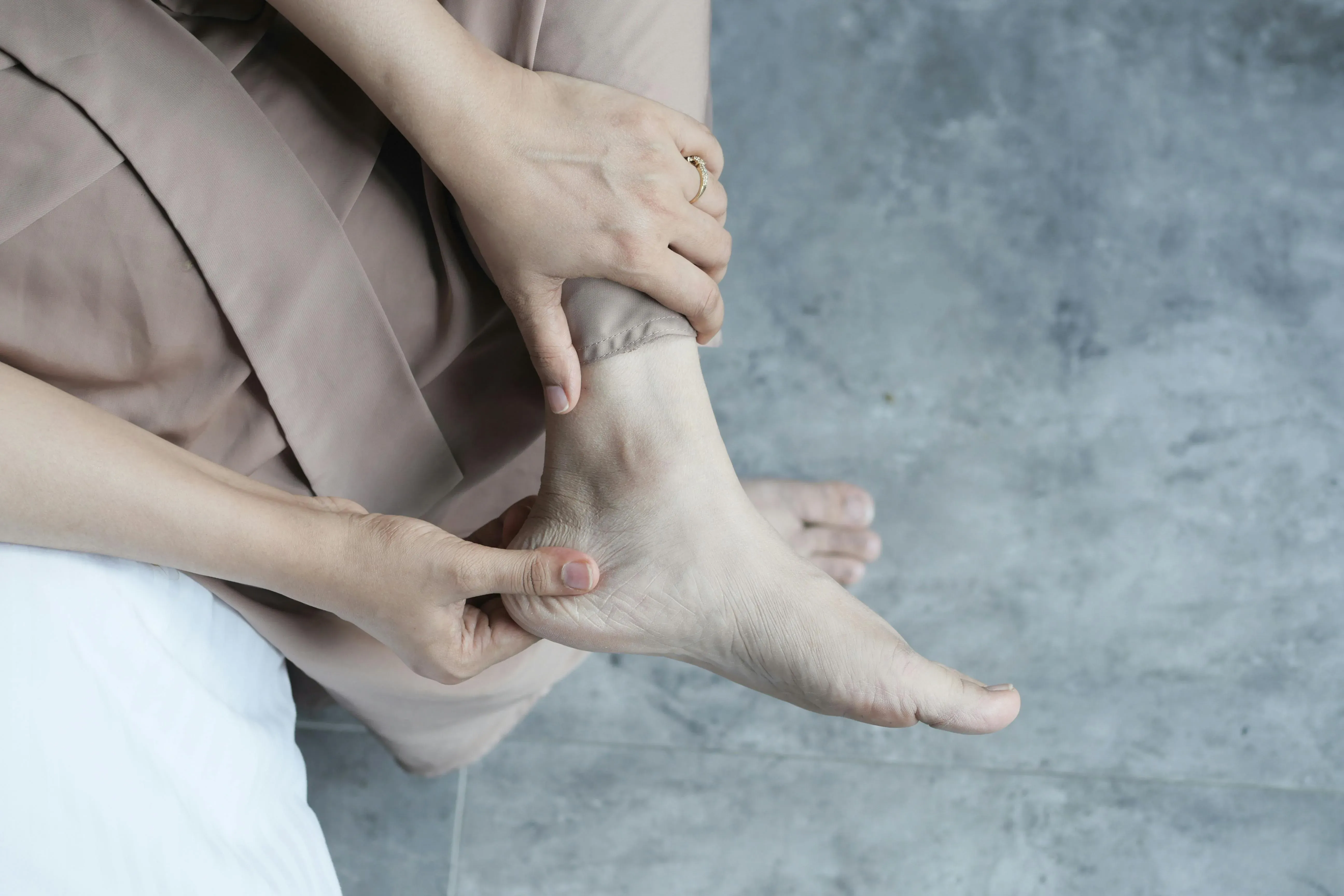
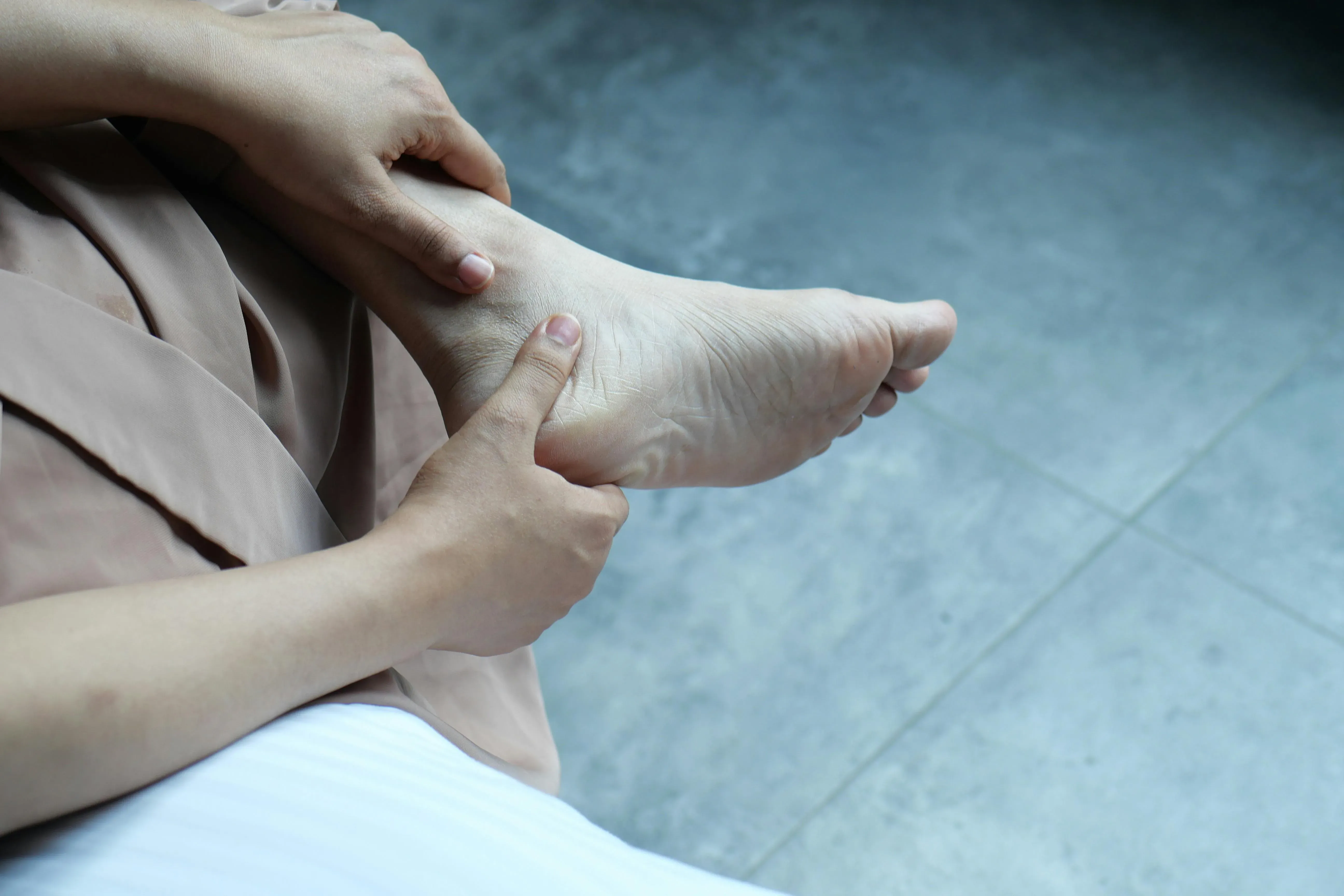
Read the article →Plenty of people in Rockingham County stand on a sore heel for months before they mention it to anyone. When they finally do, they learn two things. First, "heel pain" is not one condition; at least six different structures can hurt back there. Second, once the right structure is identified, most heel pain is very fixable.
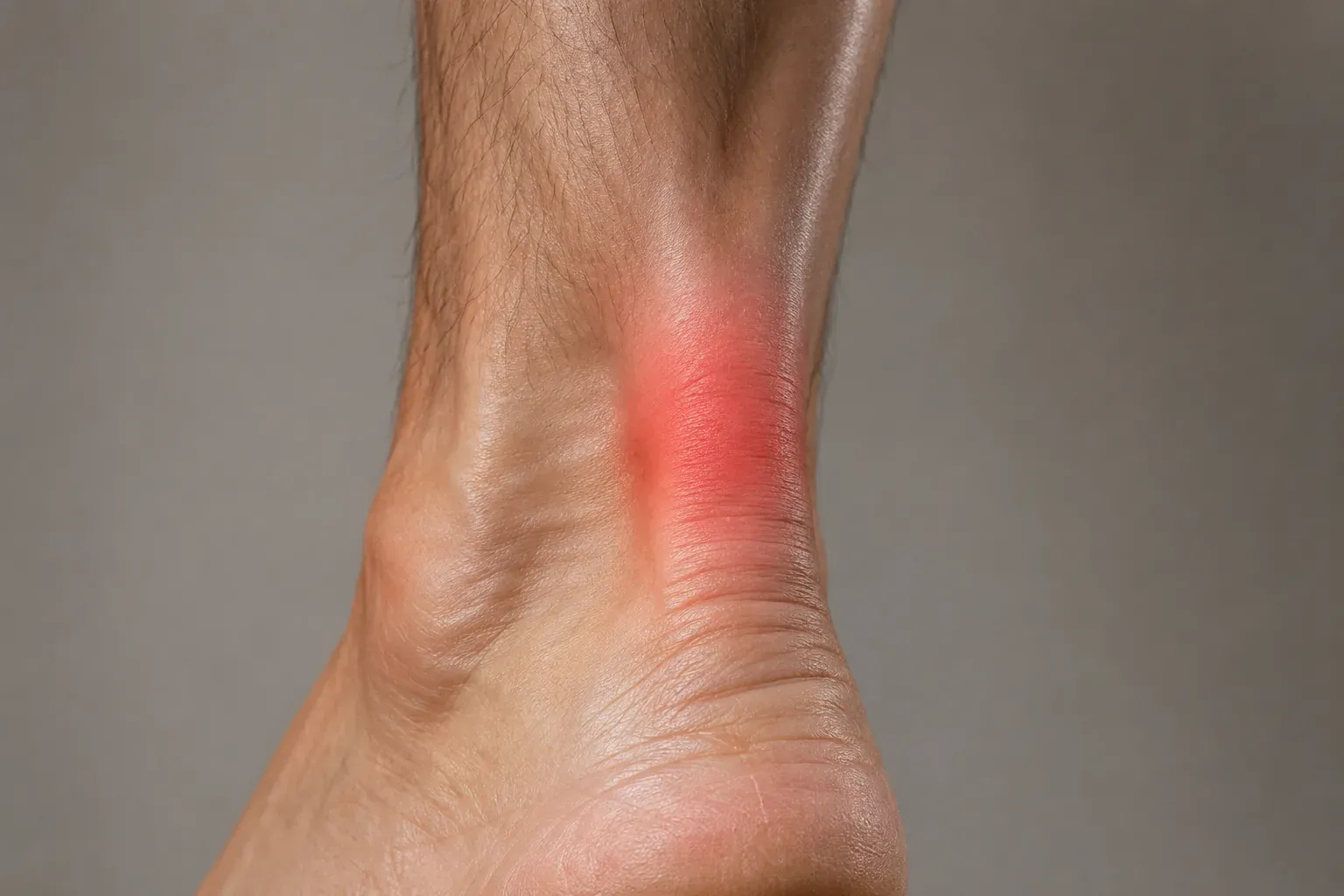
Where your heel hurts is the biggest clue to what's wrong. Pain under the heel, worst with the first steps of the day, usually means the plantar fascia. Pain at the back of the heel, aggravated by shoe counters and stairs, points to the Achilles tendon or the small fluid sac (bursa) beside it. A deep ache inside the bone that builds with activity can be a stress fracture. Burning or electric pain suggests a trapped nerve, and in older feet the natural fat pad under the heel can thin until the bone feels every step. Each of these is treated differently, which is why guessing wastes time.
Finding the failing structure is hands-on work. Dr. McKinney presses the specific spots where each structure hurts, measures calf tightness, watches you walk, and reads the wear pattern on your everyday shoes or boots, which often tells its own story. When the exam raises the possibility of a stress fracture, a tendon tear, or arthritis, X-rays or ultrasound are done in the office the same visit. You leave knowing which structure is the problem, not just that your heel hurts.
Give a new sore heel two weeks of rest and sensible shoes; that's a fair trial. Past two weeks, the math starts working against you. A heel treated within the first month or two usually settles in a matter of weeks, while one that has been limped on through a year of shifts can take months to calm down. If you're changing how you walk or cutting back what you do, that's the signal to come in.
Call (336) 342-5701 promptly for: sudden severe heel pain after an injury or a pop; inability to bear weight; redness, warmth, or fever; numbness or tingling spreading through the foot. Urgent foot problems are worked into the schedule faster.
Treatment starts with the simplest option likely to work and escalates only when needed.
The starting point for most heel pain: a stretching program aimed at the exact structure involved, and footwear matched to what you stand on all day, whether that's concrete, gravel, or a shop floor.
Inserts made from a mold of your foot shift pressure off the painful structure, so it can heal while you keep working and walking.
When weeks of conservative care haven't moved the needle, focused sound waves restart the healing response. Sessions take minutes and there is no downtime, so you don't miss work.
A precisely placed cortisone injection can settle the right kind of heel pain, and chronic cases have minimally invasive options. Heel surgery exists but is rarely needed; almost every heel resolves before that rung of the ladder.
No, and you have plenty of company; long-standing heel pain walks into the office every week. The tissue does become more stubborn with time, so recovery takes longer than it would have in month one, but the same treatments still work. The worst option is giving it another year.
Very often, yes. A stiff, worn-flat boot on concrete for ten or twelve hours loads the heel relentlessly, and boots tend to be replaced long after their support is gone. Bring the boots you actually work in to your visit; sometimes the fix is as simple as the right insert inside a better boot.
Pain at the back of the heel usually involves the Achilles tendon where it anchors to the bone, or the bursa that cushions it. It behaves differently from pain under the heel: shoe backs and stairs aggravate it, and the treatment emphasis shifts toward the tendon. The exam sorts out which it is.
Only when they're aimed at the right target. Cortisone can calm an inflamed bursa or a severe fascia flare, but it does nothing for a stress fracture and is used cautiously near tendons. That's why the diagnosis comes first and the injection, if any, comes second.
When heel pain outlasts months of trying, one of four things is usually going on. None of them is 'just live with it.'
Read the article →That stabbing first-step pain has a specific cause, and it's one of the most fixable problems in podiatry.
Read the article →The Achilles heals on tendon time, not your calendar. Knowing the real numbers prevents both premature quitting and reinjury.
Read the article →One visit at our Reidsville office gets you a diagnosis and a plan. Call (336) 342-5701 or book online.