Heel Pain That Won't Go Away: What You're Probably Missing
When heel pain outlasts months of trying, one of four things is usually going on. None of them is 'just live with it.'
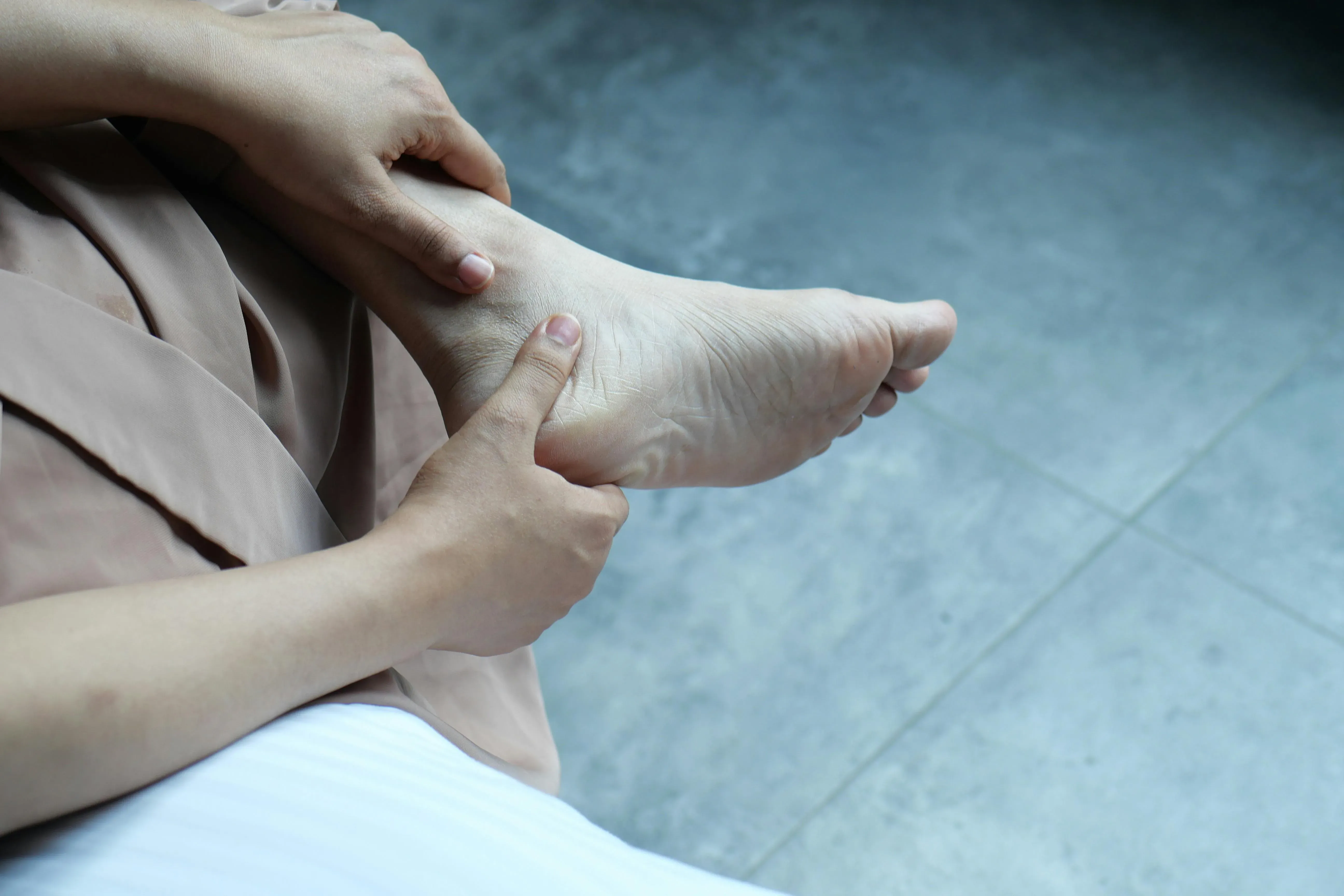
Read the article →The pattern gives it away: the worst steps of your day are the first ones, out of bed or up from the recliner, and the pain fades as you get moving only to circle back after a long day standing. That pattern is plantar fasciitis, it is the single most common cause of heel pain, and it almost never needs surgery.
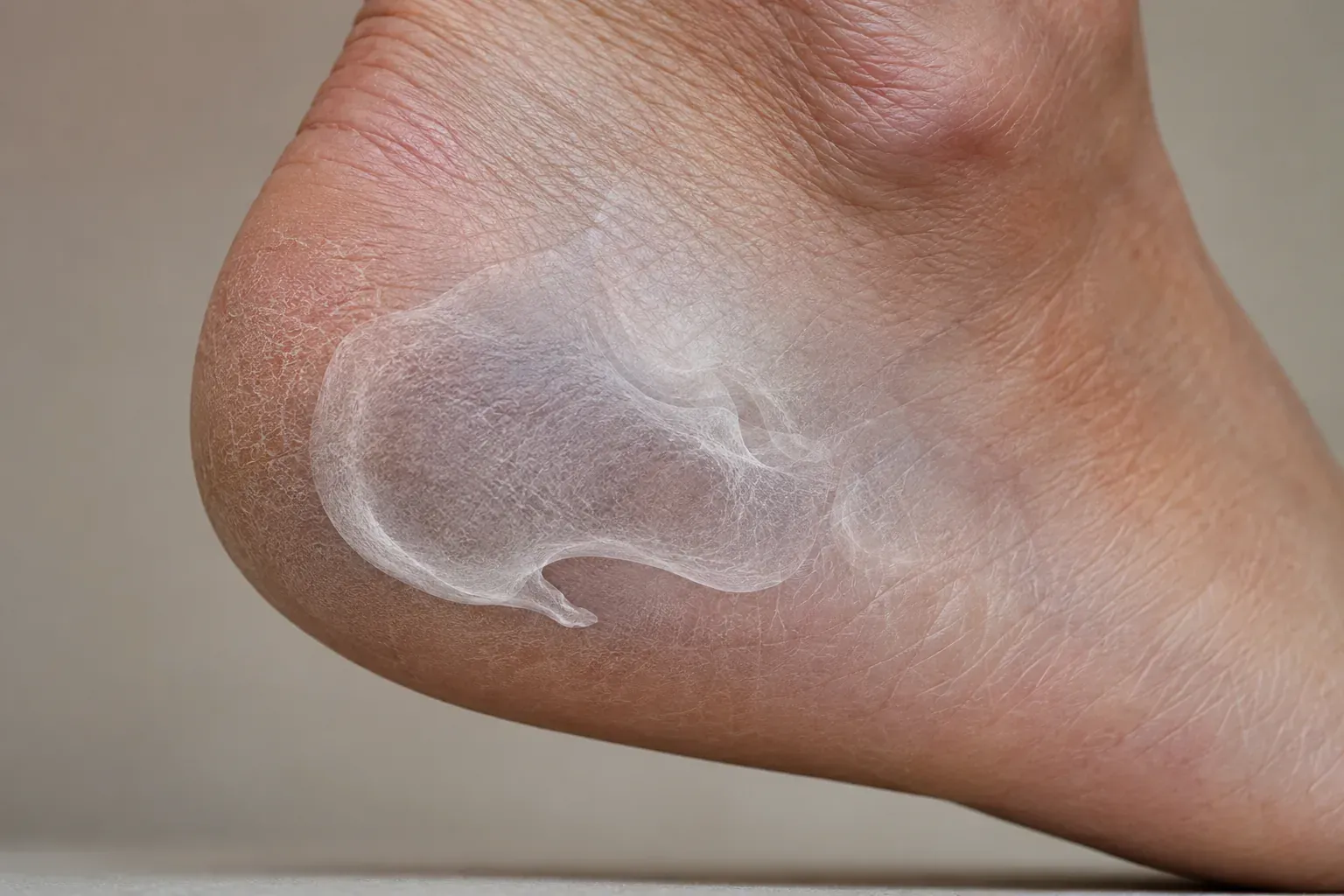
Run your hand along the sole of your foot from heel to toes; a thick cord of tissue called the plantar fascia spans that whole distance, holding up the arch the way a bowstring holds a bow. Plantar fasciitis develops where that cord anchors into the heel bone. Day after day of load produces tiny tears faster than the tissue can repair them, and the attachment slowly degenerates. Despite the "-itis" in the name, true inflammation plays a small role, which explains why anti-inflammatory pills alone rarely solve it. The problem is overload, and the cure is correcting the load.
A careful history and a thumb on the right spot settle most cases: tenderness where the fascia meets the heel, tight calves, and that unmistakable first-step pattern. Dr. McKinney reserves imaging for when the picture doesn't fit. In-office ultrasound can measure how thick the fascia has become or rule out a partial tear, and X-rays come into play when a bone problem is on the list. Most patients leave the first visit with the diagnosis confirmed and treatment already started.
Try two weeks of honest self-care first: daily calf stretching, supportive shoes even around the house, and easing back on impact. If the pain outlasts that trial, gets severe, or has already been dragging on for months of long days on concrete, stop waiting. The fascia thickens and degenerates the longer it stays overloaded, and every month of delay adds recovery time on the back end.
Call (336) 342-5701 promptly for: sudden sharp arch pain with a pop during activity, which can signal a fascia rupture; heel pain with fever or spreading redness; pain with numbness or burning into the toes. Urgent foot problems are worked into the schedule faster.
Treatment starts with the simplest option likely to work and escalates only when needed.
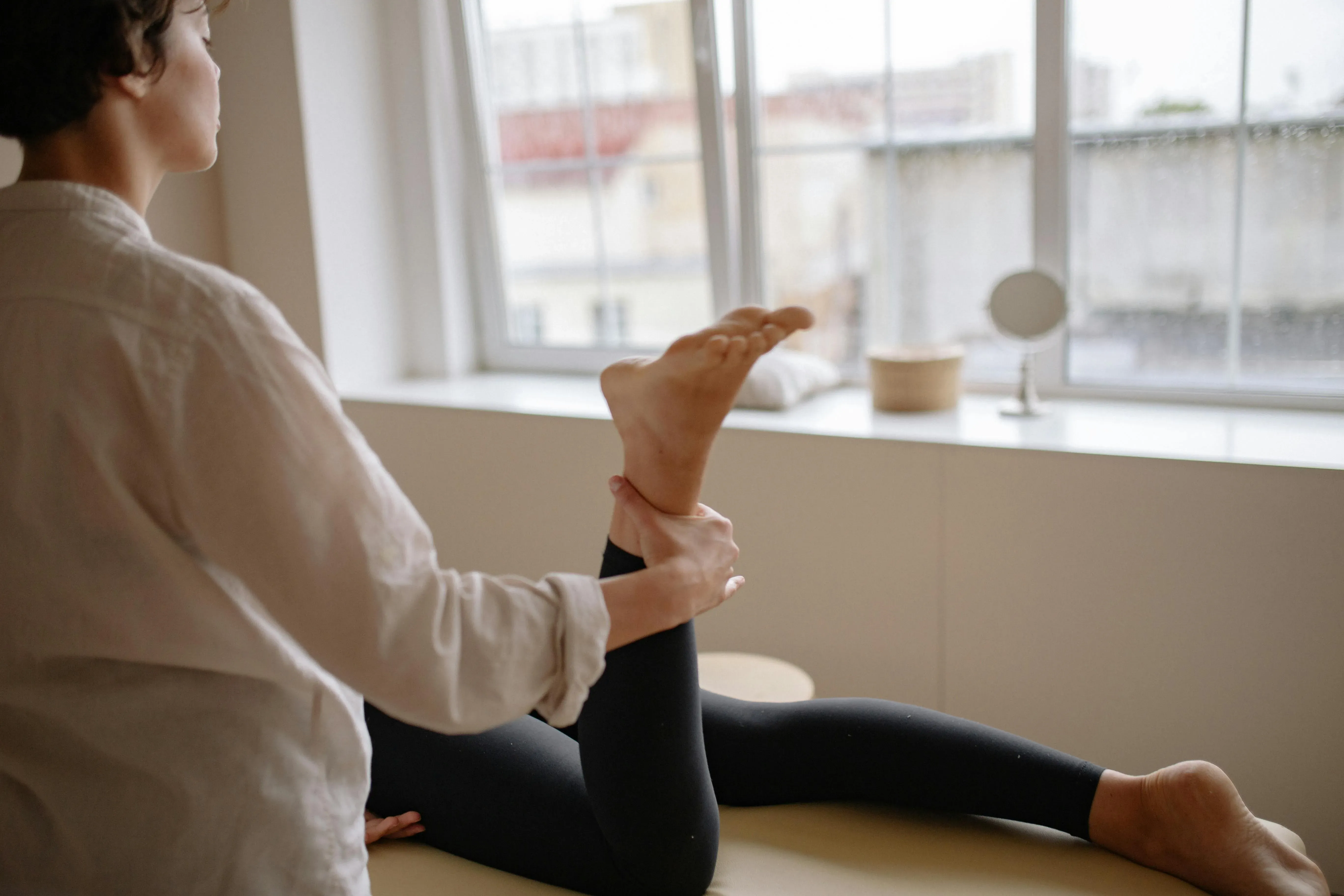
Not generic advice to "stretch more": a set of calf and fascia stretches with exact holds, timing, and frequency, taught in the office. Done consistently, this outperforms any gadget sold for heel pain.
The right shoes stop re-injuring the fascia with every step, and low-Dye taping supports the arch immediately, often making the very next morning noticeably better while the real healing gets underway.
When your foot's mechanics keep tearing the fascia back open, inserts built from a mold of your foot correct the load itself. One pair moves between work boots and sneakers.
For fasciitis that has survived three or more months of proper conservative care, shockwave has the strongest evidence of the advanced options: typically a series of three to five brief weekly sessions, no needles, no time off work.
Cortisone is a bridge for severe flares, used sparingly because repeated shots can weaken the fascia. Truly chronic cases have minimally invasive procedures to fall back on; open surgery is reserved for the rare fascia that resists everything else.
Almost certainly not. The overwhelming majority of cases resolve with stretching, footwear changes, orthotics, and time, with shockwave therapy as the next step for stubborn ones. Surgery is a last resort for the small fraction that resist a full year of proper treatment.
Rest removes the load but doesn't change what created the overload: tight calves, unsupportive shoes, or foot mechanics that strain the fascia. The moment you return to normal days, the same forces return. Lasting fixes correct the cause, not just the schedule.
They're the backbone of treatment. A tight calf pulls on the heel and forces the fascia to take up the slack with every step, so loosening the calf directly unloads the injured tissue. Patients who do the stretches as prescribed consistently heal faster than patients who rely on inserts alone.
Most people improve substantially within 6 to 12 weeks of starting proper treatment, and few need to stop working during recovery; taping, footwear changes, and orthotics are designed to get you through the workday while healing happens. Cases that went untreated for a year or more take longer, which is the best argument for coming in early.
When heel pain outlasts months of trying, one of four things is usually going on. None of them is 'just live with it.'
Read the article →Plenty of pain-free feet have spurs, and plenty of painful heels don't. Here's how to tell what's actually going on.
Read the article →Three stretches carry most of the evidence for fixing plantar fasciitis. Here's how to do them correctly, and how often.
Read the article →One visit at our Reidsville office gets you a diagnosis and a plan. Call (336) 342-5701 or book online.